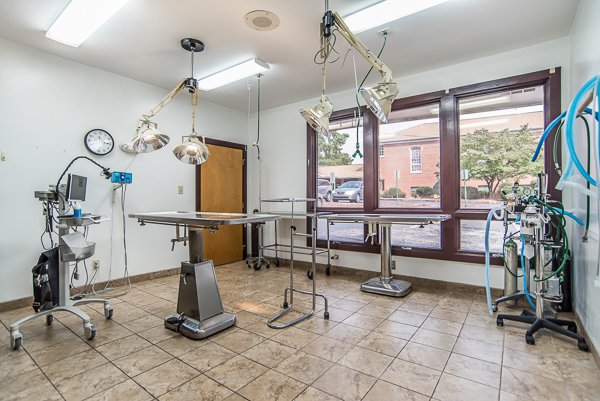
Just like us humans, your pet will probably need some type of surgery during their lifetime, whether it’s a routine procedure like spaying or neutering or a more complicated surgery to treat a serious injury, illness, or congenital defect. At Creedmoor Road Animal Hospital, we provide pet surgery in Raleigh, NC in a well-equipped surgical facility supported by a modern diagnostic laboratory. Our team is prepared to provide the surgical care your pet needs when treatment becomes necessary.
Pet Surgery in Raleigh, NC
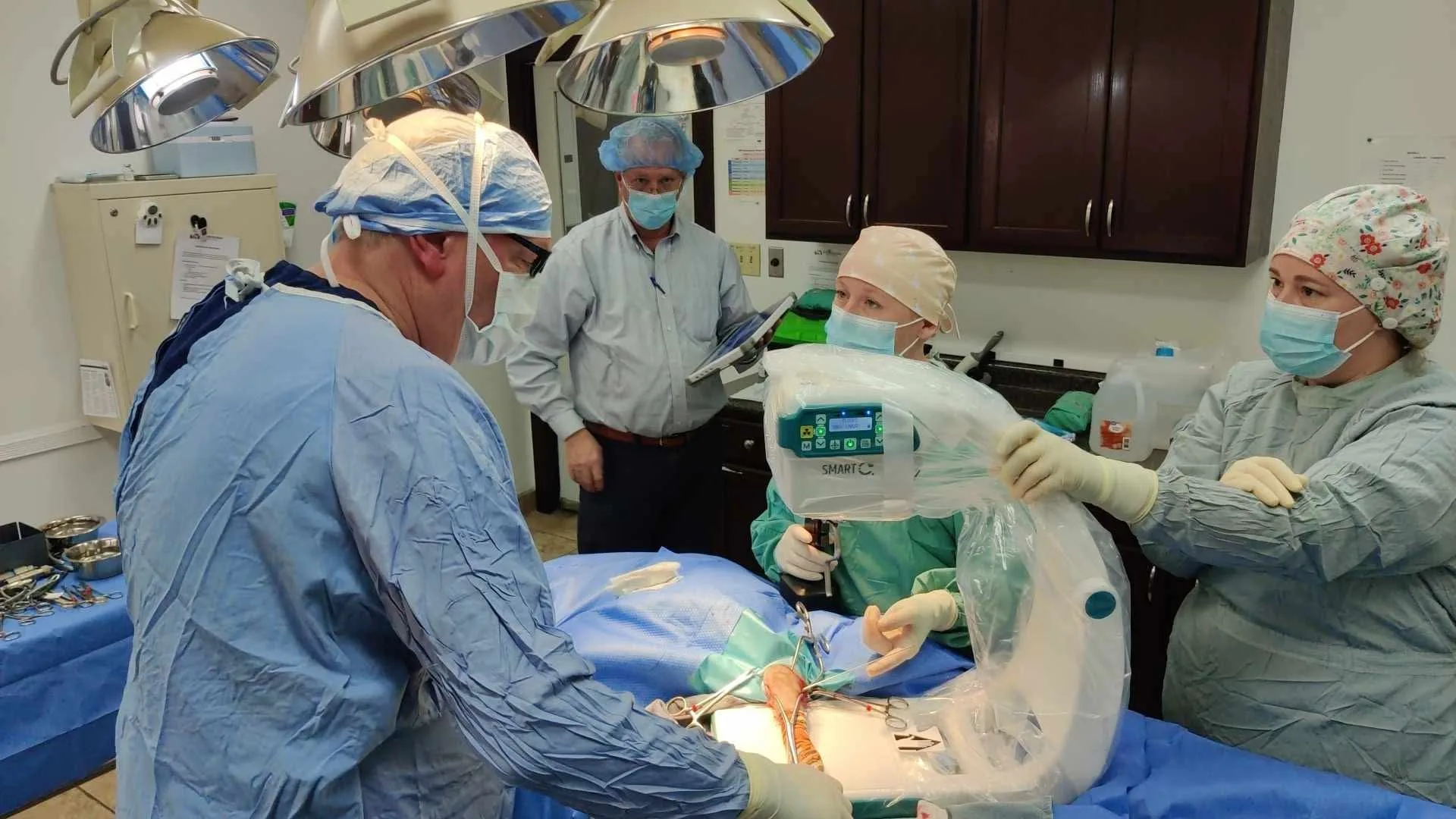

Surgical Services at CRAH
When your pet needs surgery, Creedmoor Road Animal Hospital now offers some of the most advanced and experienced services in the area.
In our state-of-the-art surgical suite, our veterinarian can perform a wide range of operations, including:
- Spay/Neuter
- Orthopedic
- Reconstructive
- Dental
- Ophthalmic
- Foreign body removal
- Fracture repair
Patient safety and comfort is our main priority. We will provide skilled pain management during and after all surgical procedures, ensuring your pet recovers quickly and with minimum discomfort.
Learn About Orthopedic Surgery
Pet Surgery – What To Expect
If your pet has been injured or diagnosed with a condition that requires surgery, your vet will first perform a complete physical exam and have our in-house laboratory run a thorough analysis of blood and urine samples. These tests are done to develop a protocol for anesthesia specifically for your pet and to discover any underlying issues that might cause complications during surgery.
During surgery your pet will be anesthetized and have a catheter inserted, and also have an IV attached to provide the necessary fluids to maintain stable blood pressure & hydration. A surgical technician will be assigned to continuously monitor your pet’s vital signs during the entire procedure using sophisticated monitoring equipment.
Aftercare for Pet Surgery in Raleigh, NC
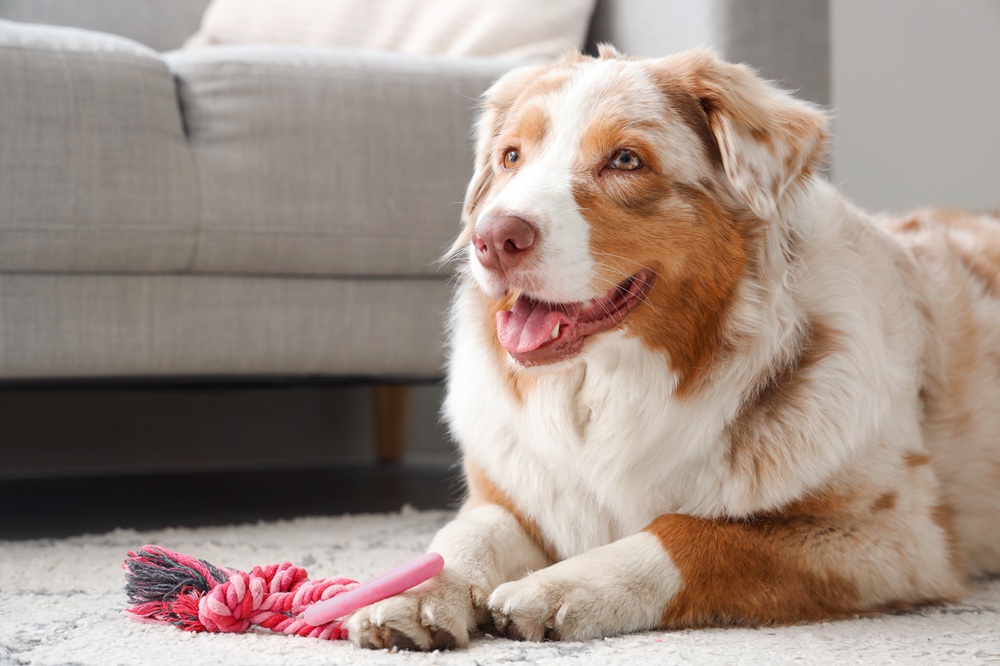
For pets undergoing pet surgery in Raleigh, NC, recovery begins with a few hours of close observation in one of our recovery rooms before they can go home. Most procedures allow pets to return home the same day, but in some cases, your veterinarian may recommend an overnight stay for further monitoring. You should plan for your pet to spend the full day at the hospital, and possibly the night if needed.
Your vet will advise you on what postoperative care your pet will need at home, and let you know if you’ll need to request any follow-up examinations. Although your vet might have some more specific instructions, in general, your pet should avoid strenuous exertion and stay indoors for a week or two, and you may need to take steps to keep them from scratching and licking at their sutures.
Book Appointment